
Introduction
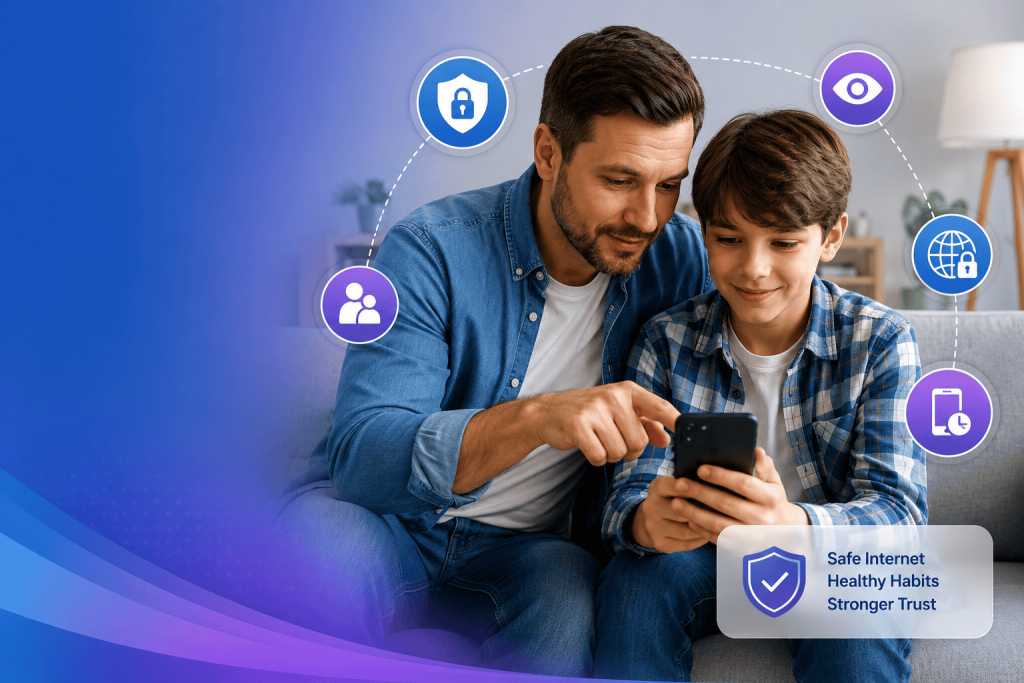
Smartphones have become an important part of children’s everyday lives. They use them for education, communication, entertainment, and staying connected with family and friends. While technology offers many benefits, it also exposes children to cyberbullying, online scams, inappropriate content, and excessive screen time.
Parents often wonder whether they should monitor your child’s phone responsibly to help protect them from these risks. The answer is yes—but monitoring should always be balanced with trust, communication, and respect for age-appropriate privacy.
Learning how to monitor your child’s phone responsibly is about supporting children, teaching safe online habits, and helping them make better digital decisions rather than controlling every activity.
Parents who monitor your child’s phone responsibly can better understand how children use smartphones every day. Choosing to monitor your child’s phone responsibly helps families create healthy digital habits while encouraging honest conversations about online safety.
Why Responsible Phone Monitoring Matters
Children may not always recognize online dangers.
Some common digital risks include:
- Cyberbullying
- Online predators
- Fake social media profiles
- Phishing scams
- Identity theft
- Harmful or inappropriate content
Parents who choose to monitor your child’s phone responsibly can identify warning signs early while encouraging healthy conversations about online safety.
Benefits of Responsible Phone Monitoring
Using responsible monitoring practices provides several advantages.
Better Online Safety
Parents can recognize unusual online behavior and discuss potential risks before problems become serious.
Healthier Screen Time
Monitoring screen time reports helps families understand how digital devices are being used.
Improved Family Communication
Open discussions about technology encourage children to ask questions and report online problems.
Stronger Digital Habits
Children learn responsible internet use instead of depending only on restrictions.
How to Monitor Your Child’s Phone Responsibly
1. Explain Why Monitoring Is Important
Instead of secretly checking a child’s phone, explain that monitoring is designed to keep them safe.
Children are more likely to cooperate when they understand the purpose.
2. Create Family Technology Rules
Clear family expectations help reduce conflicts.
Examples include:
- No phones during meals
- Homework before games
- Devices off before bedtime
- Respectful online communication
- Ask permission before installing new apps
3. Review Screen Time Together
Rather than checking activity privately, review screen time reports together.
Discuss:
- Daily usage
- Favorite apps
- Educational activities
- Entertainment habits
This creates learning opportunities instead of punishment.
4. Teach Online Privacy
Children should know never to share:
- Home address
- School information
- Passwords
- Banking information
- Personal photos with strangers
Privacy education is one of the most effective online safety tools.
5. Encourage Healthy Offline Activities
Technology should support life—not replace it.
Encourage:
- Reading
- Outdoor play
- Sports
- Family activities
- Creative hobbies
Balanced routines improve emotional and physical well-being.
Common Online Risks Every Parent Should Know
Children face many online challenges today.
Cyberbullying
Negative messages, exclusion, and online harassment can affect emotional health.
Online Predators
Children should understand the risks of communicating with strangers online.
Phishing Scams
Fake messages often ask users to click suspicious links or reveal passwords.
Inappropriate Content
Parental controls can help reduce accidental exposure to harmful material.
Excessive Screen Time
Long hours on smartphones may affect sleep, physical activity, and school performance.
Best Practices for Parents
Parents can improve digital safety by:
- Talking about internet safety regularly
- Reviewing privacy settings
- Updating devices
- Encouraging open communication
- Using parental controls when appropriate
- Leading by example with their own phone habits
Signs Your Child May Need Extra Support
Watch for changes such as:
- Poor sleep
- Declining grades
- Constant phone use
- Avoiding family conversations
- Anxiety when the phone is unavailable
- Less interest in hobbies
These signs don’t automatically indicate a problem but deserve attention.
Parents can also learn more about online safety through the American Academy of Pediatrics which provide trusted guidance on children’s digital wellbeing.
Frequently Asked Questions
Is it okay for parents to monitor a child’s phone?
Yes. Parents often choose to monitor devices they provide for younger children. Being transparent and discussing expectations usually helps maintain trust.
Can monitoring replace communication?
No. Technology works best when combined with honest conversations and family guidance.
Are parental controls enough?
Parental controls are useful tools, but teaching responsible digital behavior is equally important.
How often should parents review phone activity?
Many families review screen time reports weekly or discuss online habits during regular family conversations.
Learning to monitor your child’s phone responsibly is not about invading privacy. Instead, parents can monitor your child’s phone responsibly to guide children, reduce online risks, and encourage balanced technology use.
Conclusion
Learning how to support children online is more important than ever. Responsible phone monitoring, combined with open communication and clear family expectations, helps children enjoy technology safely while developing healthy digital habits.
Parents who focus on education, guidance, and trust are more likely to build positive relationships and prepare their children for a safer digital future.